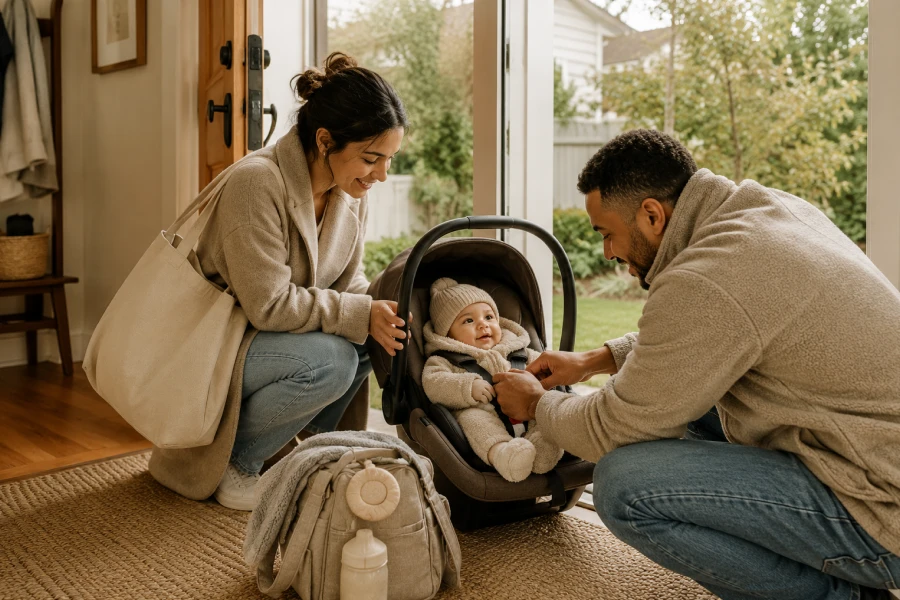
Baby first trip planning should create confidence, not transform new parenthood into a logistics contest. A short, familiar destination can offer meaningful practice without overwhelming the family. The first journey teaches parents how feeding, sleep, transportation, and recovery interact away from home. Small choices matter more than ambitious itineraries during this stage. Choose comfort, flexibility, and easy access over an impressive list of attractions. Build a plan that allows everyone to pause without feeling behind. Thoughtful family travel preparation respects the baby’s needs and the caregivers’ limited energy. Unexpected moments will still happen, but they do not need to define the trip. When expectations remain gentle, ordinary progress feels encouraging. The first adventure can become a rehearsal for many easier journeys ahead.
Small-scale travel reduces the number of unfamiliar transitions happening at once. Consider a nearby town, family visit, or one-night stay before a complex vacation. Shorter travel time leaves more energy for settling in and recovering. A familiar language, climate, and transportation system can lower decision pressure. Parents learn what they truly use without carrying supplies across several connections. They also discover how their baby responds to motion, noise, and new rooms. Choose refundable arrangements whenever possible because newborn needs can change quickly. A modest trip can still create beautiful memories and renewed confidence. The purpose is not proving that family life remains unchanged. It is learning how travel can adapt to the family you have now.
A parent-friendly destination offers more than attractive scenery or popular restaurants. Look for easy medical access, manageable distances, grocery options, and quiet resting spaces. Consider sidewalks, elevators, parking, shade, and reliable transportation with a car seat. A destination can be wonderful yet poorly matched to newborn realities. Research feeding spaces and weather conditions without planning every hour. Nearby essentials support baby friendly accommodation and reduce emergency errands. Family help can be valuable when expectations remain clear and respectful. Choose hosts who understand that feeding and rest may change plans suddenly. The best destination makes basic care easier rather than requiring constant negotiation. Convenience creates room for connection, observation, and actual enjoyment.
Familiar routines offer babies recognizable cues inside an unfamiliar environment. Bring the parts of feeding, sleep, and soothing that matter most at home. Do not attempt to reproduce every detail of the nursery. Use repeated songs, clothing, timing patterns, and calm caregiver responses. Expect schedules to shift because travel adds stimulation and transition. Return to familiar cues gently instead of forcing exact clock times. Planning a road trip with newborn works best with generous stopping opportunities. Build feeding and diaper breaks around the baby rather than a strict mileage target. Parents should also preserve small routines that support their own wellbeing. A recognizable rhythm helps the entire family feel grounded while adapting.
Accommodation shapes the trip because newborn care continues long after sightseeing ends. Prioritize safe sleep arrangements, temperature control, privacy, and easy nighttime movement. A kitchenette or refrigerator can simplify feeding and caregiver meals. Laundry access reduces the amount of clothing families need to carry. Ask direct questions about stairs, noise, blackout options, and available baby equipment. Pictures may hide narrow spaces or layouts that complicate care. Choose a location near the activities you value most. Shorter daily travel leaves more time for naps and unhurried transitions. Comfortable accommodation may deliver more value than an ambitious destination. A calm home base supports rest, flexibility, and better decisions throughout the trip.
Flexible days include one main idea and several easy alternatives. Plan an outing that can be shortened without losing the entire experience. Identify quiet cafes, parks, or indoor spaces nearby for unexpected pauses. Leave open time after travel segments and socially demanding events. Caregivers can alternate rest periods instead of doing every activity together. A stress free baby travel approach gives recovery the same importance as entertainment. Watch the baby’s cues before overstimulation becomes difficult to settle. Changing plans is not failure when the plan was designed to remain flexible. The family may enjoy one peaceful walk more than three rushed attractions. Space inside the schedule allows good moments to last longer.
Successful newborn travel may look quieter than earlier vacations, but it remains meaningful. Measure the trip by safety, connection, learning, and manageable recovery. A canceled dinner can coexist with a beautiful afternoon outside. One difficult night does not erase every calm moment that came before it. Parents should notice what worked and record what they would change next time. Keep the lessons practical rather than turning them into self-criticism. Celebrate small accomplishments such as a smooth feeding stop or peaceful arrival. Photos matter, but presence often becomes the richer memory. The first trip is not a final test of family travel ability. It is simply the first chapter in a rhythm that will keep evolving.


Leave a comment