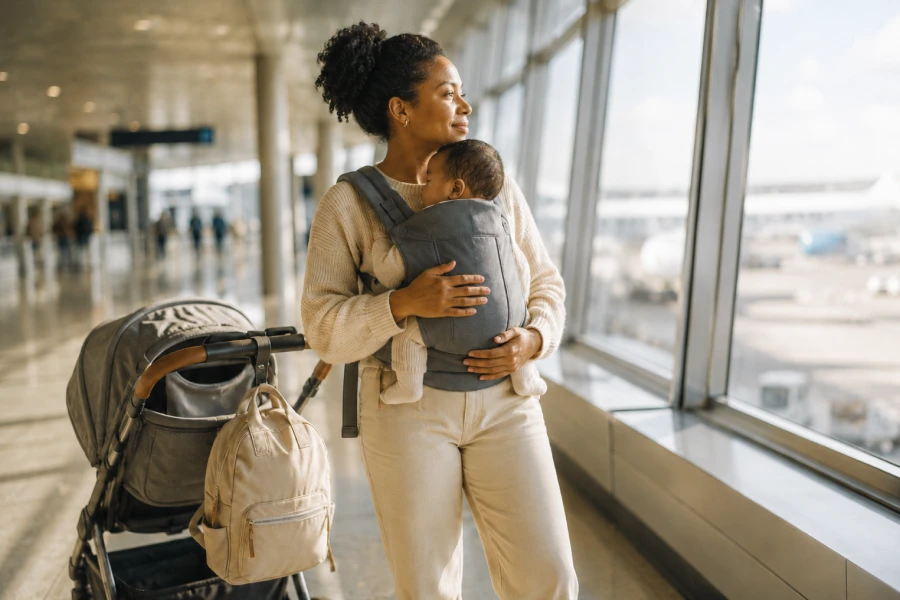
Flying with a newborn can feel unpredictable, yet thoughtful preparation creates reassuring structure. New parents rarely need a perfect schedule or an overflowing suitcase. They need a flexible rhythm that protects feeding, comfort, paperwork, and recovery time. The journey becomes easier when every decision reduces unnecessary transitions. Choose flights, transportation, and seating with your family’s actual energy in mind. Leave generous margins because babies cannot follow airport efficiency standards. A practical traveling with a baby plan should support parents as carefully as the infant. Calm preparation also makes unexpected delays feel manageable rather than catastrophic. Your goal is not recreating home inside an airplane cabin. Instead, create enough familiarity that everyone can adapt without constant urgency.
Preparation begins with medical guidance, travel documents, and realistic destination expectations. Ask your pediatric professional about timing, feeding concerns, and health precautions. Confirm airline policies for identification, bassinets, strollers, car seats, and infant tickets. Every carrier handles family equipment differently, so assumptions can create stressful surprises. Check airport layouts before departure, including nursing spaces and family restrooms. Arrange ground transportation that safely accommodates your chosen car seat setup. Keep important records accessible instead of buried beneath clothing or diapers. Destination planning should include nearby medical care and flexible cancellation options. Early organization creates confidence because major decisions no longer compete for attention. That mental space matters when your baby needs comfort during a busy travel day.
A calm timeline begins by working backward from boarding rather than departure. Add time for feeding, diaper changes, security screening, and unexpected soothing stops. Avoid scheduling essential errands immediately before leaving for the airport. Parents travel better when they have eaten, hydrated, and rested whenever possible. Choose clothing that makes feeding and temperature changes simple. Divide responsibilities so one adult handles documents while another manages the baby. Solo travelers can use a written sequence to reduce decision fatigue. The best newborn travel essentials support quick access rather than impressive organization. Place the next likely item where one hand can reach it. A practical timeline protects calm without demanding that every minute unfold exactly as planned.
Cabin packing works best when each item solves a likely problem. Bring enough diapers and feeding supplies for the journey plus reasonable delays. Use small pouches for diapering, feeding, comfort, and parent necessities. This system prevents a complete bag search inside a narrow seat row. Pack one change for each adult because spills rarely respect ownership. Choose familiar comfort items without bringing every object your baby uses at home. Keep medicine, documents, and essential feeding equipment in carry-on luggage. A streamlined baby travel routine depends on access, not quantity. Before closing the bag, practice reaching critical items while holding the baby. That simple rehearsal reveals awkward placements before the airport does.
Feeding during ascent or descent may help some babies manage pressure changes. Follow your baby’s cues rather than forcing a perfectly timed feeding. Prepare bottles, nursing supplies, burp cloths, and backup options within easy reach. Cabin noise can soothe one baby and overstimulate another. Use gentle movement, skin contact, familiar sounds, and calm repetition. Parents often feel watched when a newborn cries, but most passengers understand. Focus on the baby instead of trying to manage every stranger’s imagined reaction. A thoughtful first flight with baby plan includes emotional support for adults too. Pause, breathe, and trade roles when another caregiver is available. Regulated adults cannot guarantee silence, but they can offer steadier comfort.
Air travel may disrupt naps even when your newborn usually sleeps predictably. Treat sleep as an opportunity rather than a performance target. Familiar clothing, white noise, and secure holding can signal rest during unfamiliar conditions. Follow current safe sleep recommendations whenever your baby sleeps in a separate space. Do not rely on improvised positions that feel convenient but compromise safety. Parents should expect lighter sleep and more frequent waking during the journey. Lower expectations can reduce frustration without abandoning helpful routines. After arrival, return gently to familiar feeding and sleep cues. One unusual day rarely destroys a developing routine. Flexibility keeps temporary disruption from becoming a source of unnecessary panic.
Arrival deserves planning because fatigue often peaks after the formal journey ends. Arrange transportation before landing whenever possible. Keep the first destination simple, quiet, and easy to enter. Avoid scheduling a large family gathering immediately after baggage claim. Set up feeding, diapering, and sleep supplies before unpacking everything else. Parents need food, water, showers, and a brief chance to reset. Let the newborn observe the new environment from a secure familiar place. Postpone sightseeing until the family has recovered from the transition. A gentle first evening can protect the rest of the trip. The best arrival plan makes comfort more important than proving travel went perfectly.




Leave a comment