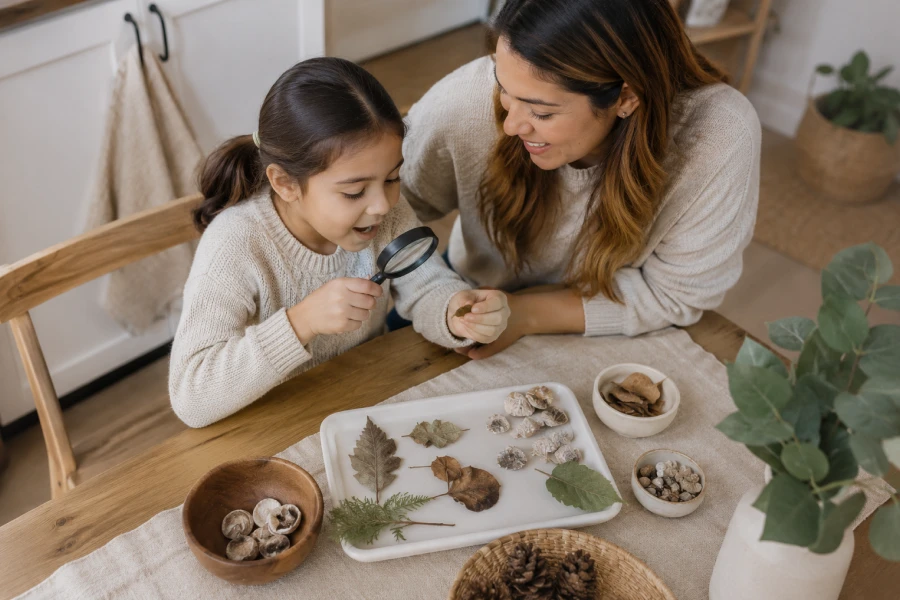
Educational activities at home succeed across ordinary family routines throughout a busy week when children feel invited rather than evaluated. Home already contains numbers, stories, science, movement, art, and social learning. Parents do not need to copy a school day to make those opportunities meaningful. A recipe can teach measurement while a laundry basket becomes a sorting challenge. Curiosity helps children connect skills with situations they genuinely understand. Short experiences often work better than ambitious projects requiring perfect cooperation. This flexible approach supports screen free learning without making technology the enemy. Children can explore, pause, and return when interest reappears. Adults provide materials and attention while leaving room for ownership. Learning feels sustainable when it belongs naturally inside family life.
Pressure changes the emotional meaning of an activity before learning even begins. Children may resist when every game carries a hidden performance expectation. Choose experiences with several possible outcomes rather than one correct finished product. Praise effort, observation, and new strategies instead of speed or neatness. Let children abandon an idea that clearly does not match their energy. A brief pause can protect curiosity better than forced completion. Return later with a smaller challenge or different material. Home learning should strengthen relationships rather than create daily conflict. Progress remains possible even when one activity fails completely. Low pressure gives children courage to make mistakes and try unfamiliar approaches.
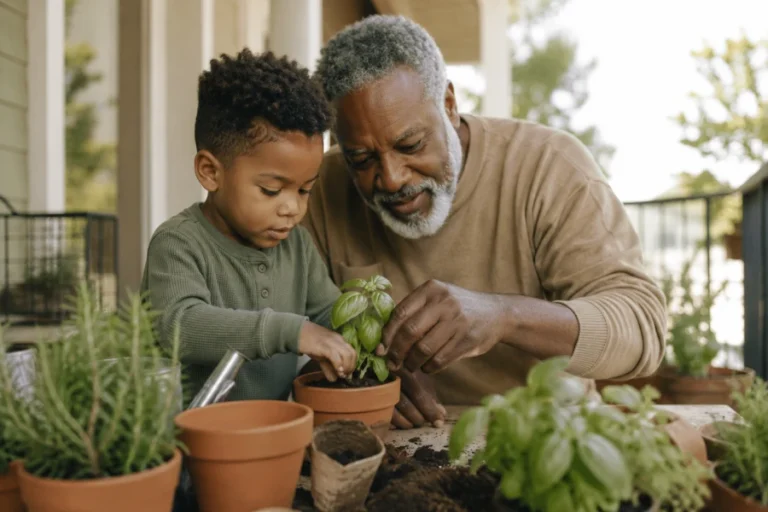
Household routines contain practical learning because they lead to visible results. Cooking includes sequencing, fractions, chemistry, reading, and sensory observation. Grocery planning introduces budgeting, categorization, nutrition, and decision-making. Folding laundry develops matching, sorting, pattern recognition, and responsibility. Watering plants encourages measurement, prediction, and patient observation over time. These moments become early childhood development activities through thoughtful adult attention. Ask children to estimate before checking an answer. Invite them to explain their method even when it differs from yours. Real tasks show why skills matter beyond worksheets. Participation also helps children feel capable inside the shared work of family life.
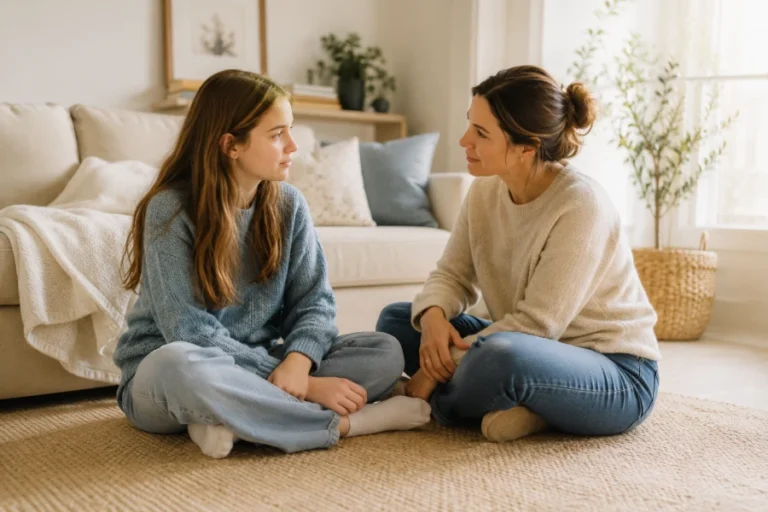
Good questions extend thinking without turning parents into constant quiz masters. Ask what a child notices, predicts, compares, or wonders about. Questions with several possible answers invite creativity and explanation. Try asking how an object could be used differently. Encourage children to describe what changed after one part of an experiment shifted. Wait longer than feels natural because thoughtful answers need time. Follow their response instead of immediately asking the next prepared question. This conversational style makes simple educational games feel collaborative rather than instructional. Adults can share their own uncertainty to model genuine curiosity. A useful question opens exploration instead of checking whether a child remembers your answer.
Planning helps when it reduces friction, but too much planning can drain spontaneity. Keep a short menu of reliable activities for different energy levels. Store basic supplies together so setup takes only a few minutes. Choose one weekly theme if your child enjoys connected ideas. Leave blank space for interests that appear unexpectedly. A puddle, broken appliance, or delivery box may inspire the strongest investigation. Prepare cleanup materials before beginning messy work. A light structure supports curiosity based learning without controlling every step. Notice which activities children request again and simplify those routines further. Planning should make exploration easier, not make adults afraid to change direction.
Children differ in movement needs, language confidence, sensory preferences, and attention patterns. One learner may enjoy explaining ideas aloud while another prefers drawing first. Offer choices in materials, position, pace, and response style. A child can count while jumping, sorting, building, or setting the table. Quiet children still think deeply even when they answer with few words. Sensitive learners may need fewer materials and predictable transitions. Adapt the activity rather than assuming resistance means laziness. Observe which conditions produce calm concentration and genuine interest. Flexible participation helps siblings share experiences without identical expectations. Home offers the freedom to honor learning differences without lowering meaningful challenge.
Stopping at the right moment protects enthusiasm for another day. Watch for rushed choices, repeated conflict, or physical restlessness. End while the child still feels some ownership of the experience. Invite them to save materials or photograph progress before cleanup. A simple reflection can close the activity without becoming a test. Ask what surprised them or what they might change next time. Do not demand a lesson statement after every playful investigation. Some understanding develops quietly and appears in later conversations. Leaving an idea unfinished can create anticipation rather than failure. Curiosity grows when children trust that learning will not continue past their limits.


Leave a comment