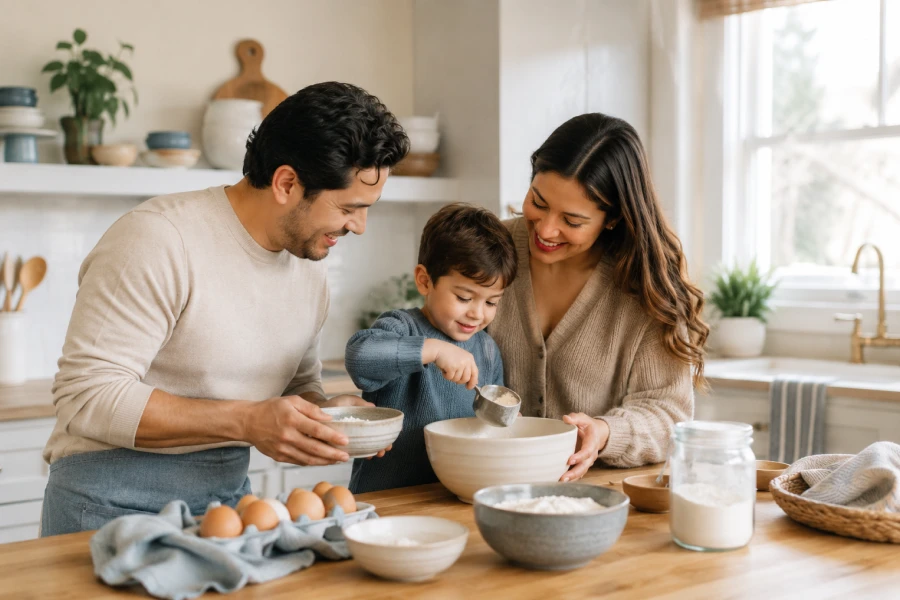
Everyday learning activities for children appear wherever families talk, move, plan, notice, and solve problems. A trip to the store can include categories, prices, directions, and social observation. Preparing dinner introduces sequence, measurement, sensory language, and shared responsibility. A walk offers weather, patterns, movement, and questions about the neighborhood. Parents do not need to announce a lesson for learning to occur. They can slow down, invite participation, and respond to genuine curiosity. These everyday learning moments connect skills with situations children already understand. Repetition happens naturally because family routines return again and again. Children gain competence while contributing to real life. Learning becomes less separate from childhood and more deeply woven through it.
Special supplies can be helpful, but they are not required for meaningful discovery. Children learn through repeated contact with ordinary tools, places, and conversations. A bus schedule introduces time while a recipe card supports sequencing and reading. Weather choices encourage prediction, observation, and practical decision-making. Everyday learning becomes powerful because the result matters immediately. The child wants the snack prepared or the route understood. Adults can add one thoughtful question without turning the moment into a quiz. Let participation remain optional when time or emotions become difficult. Family life already provides enough repetition for skills to return later. No special occasion is necessary when attention transforms routine into opportunity.
The kitchen offers rich learning because ingredients change through visible actions. Children can count pieces, compare sizes, pour liquids, and follow a sequence. Older learners may double a recipe or estimate cost per serving. Table conversations build storytelling, listening, memory, and perspective-taking. Invite children to describe a flavor without relying on good or bad. Ask them to notice temperature, texture, color, and change. A shared meal can include simple educational games such as categories or word chains. Keep competition gentle so participation remains enjoyable for different ages. Cooking also teaches patience because some results cannot be rushed. Practical contribution makes learning feel useful and socially meaningful.
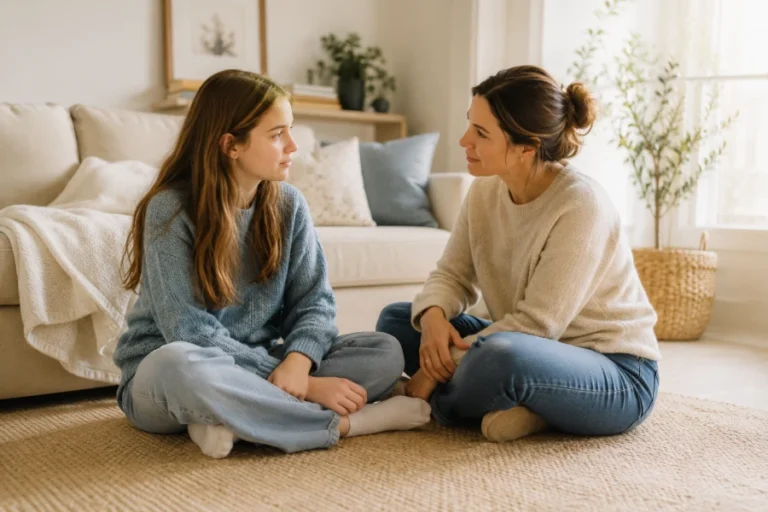
Language develops when children participate in real conversations with attentive adults. Invite them to explain plans, retell events, or describe how something works. Use new words in context instead of interrupting every sentence for correction. Reading signs, labels, menus, and maps can become naturally shared tasks. Tell family stories with a clear beginning, middle, and ending. Ask children what another person in the story might have felt. These exchanges support vocabulary, sequence, empathy, and comprehension simultaneously. Leave room for unusual ideas and imperfect grammar during spontaneous storytelling. Confidence often grows before accuracy becomes consistent. Children speak more thoughtfully when conversation feels relational rather than constantly assessed.
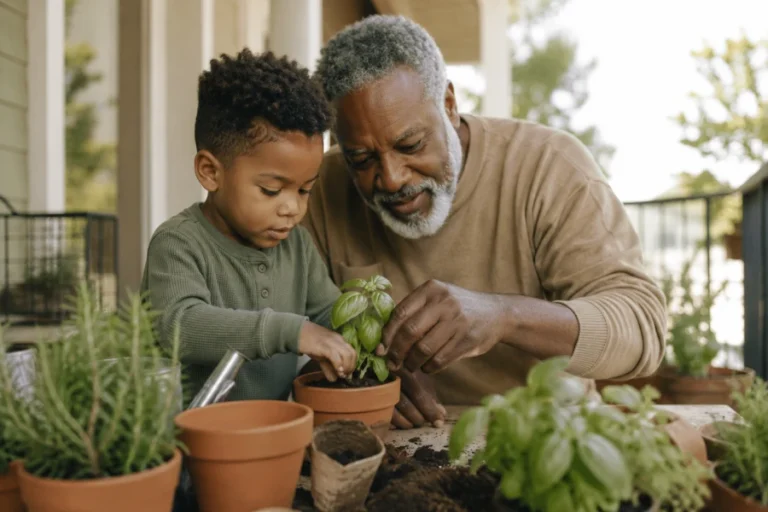
Nature offers changing details that reward repeated observation across days and seasons. Children can compare leaves, track shadows, watch insects, or notice cloud movement. A familiar route becomes more interesting when the family chooses one feature to study. Bring a container, magnifier, or camera only when it adds genuine value. Observation itself remains the central skill. Outdoor experiences can inspire curiosity based learning through questions without immediate answers. Look up selected questions later instead of searching for every fact instantly. Children learn that uncertainty can lead to investigation rather than embarrassment. Respect living things and local rules while collecting or touching natural materials. Repeated contact helps children notice patterns that one spectacular outing might miss.
Responsibility teaches planning, sequence, care, and awareness of other people’s needs. Children can sort laundry, prepare pet supplies, water plants, or organize shoes. Choose tasks that create visible contribution rather than symbolic busywork. Break complex routines into steps and demonstrate them calmly. Allow extra time because learning responsibility rarely looks efficient at first. Use visual cues when verbal reminders become repetitive or frustrating. Shared tasks can become indoor learning activities without disguising the real work involved. Thank children specifically for the effect their effort created. Competence grows when adults resist correcting every harmless difference in method. Gradual responsibility helps children see themselves as capable family members.
Family learning stays light when adults protect connection, humor, and reasonable expectations. Not every routine needs an educational extension or reflective question. Sometimes children simply need to eat, rest, move, or enjoy familiar company. Notice enthusiasm before adding complexity to an ordinary moment. End an activity when frustration replaces useful challenge. Return another day without treating the pause as wasted potential. Parents can model curiosity by wondering aloud instead of always supplying answers. Children learn that adults continue discovering, revising, and making mistakes too. Warm attention gives everyday experiences their lasting educational value. The richest family learning often feels like living well together rather than completing lessons.

Leave a comment